

A fire sprinkler seismic bracing system needs a continuous load path from the service pipe to the building structure. When that structure is a steel I-beam, a beam adapter can connect the brace assembly to the beam. Selection requires more than finding hardware that appears to fit. Contractors must check the supporting steel, brace configuration, fasteners, installation direction, and approved project documents before ordering.
For fire protection contractors, MEP installers, distributors, and procurement teams, the goal is to choose a component that fits the complete engineered assembly. Aquabarrier supplies seismic support and hanger components for this type of application. Its Beam Adapter RL12 is presented as part of a sway brace system for sprinkler piping, rather than as a standalone device that can independently establish system compliance.
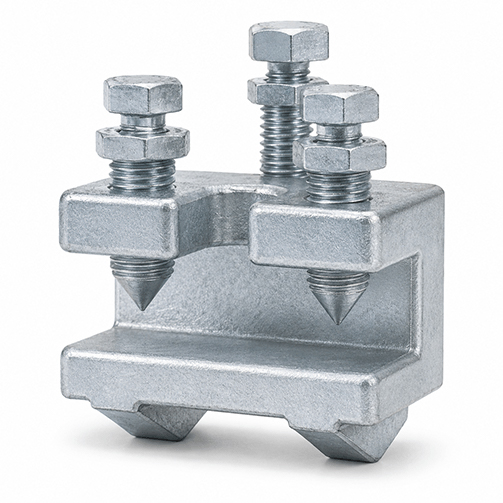
What Does a Beam Adapter Do in a Seismic Sway Brace System?
A beam adapter creates a structural-side connection where a seismic brace meets a steel beam. It works with other components to transfer sway forces away from the sprinkler pipe and toward an approved building attachment point.
How Does the Load Path Work?
A typical rigid sway brace includes a pipe attachment, a brace member, a structural attachment fitting, and the hardware used to connect the assembly to the building. The pipe attachment grips the sprinkler pipe. The brace member transfers force between the pipe and structure. At the opposite end, the beam adapter and related structural fitting establish the connection to the I-beam. Every part must be compatible because a mismatch at one connection can interrupt the intended load path.
Why Is the I-Beam Connection Important?
The beam connection receives forces transmitted through the brace. Its suitability depends on the beam flange, mounting position, fastener arrangement, force direction, and installation angle. Project drawings should identify the intended structure and brace orientation before components are selected.
Which I-Beam Details Should Be Checked Before Selection?
Site information should be collected before the procurement team chooses a beam adapter. This reduces field modifications and helps installers arrive with components that match the approved design.
What Should Be Measured on the Steel Beam?
Confirm the beam type, flange width, flange thickness, and clear space around the attachment point. Check whether the adapter will connect at the top or bottom flange and whether decking, insulation, or nearby services restrict tool access. I-beams with similar overall depth may still have different flange dimensions.
How Do Brace Direction and Angle Affect the Connection?
Seismic sway bracing may control transverse or longitudinal pipe movement. Brace angle and position influence how forces enter the attachment. Installers should follow the approved layout rather than rotating or relocating an adapter for convenience. If site conditions prevent the specified orientation, refer the issue to the responsible designer instead of making an unapproved substitution.
How Should RL12 Be Matched to the Sprinkler System?
The adapter must be evaluated within the complete sprinkler bracing configuration. The manufacturer’s current product information provides a starting point, but final selection still depends on project-specific requirements.
Which Product Specifications Are Listed for RL12?
Aquabarrier lists RL12 for sprinkler pipe systems using Sch 10, Sch 40, GB/T 3091, and JIS G3454 pipe. The product page states that one size fits braced pipe up to 12 inches and includes a 1/2-inch bolt hole for the structural connection. It identifies the material as QT450 ductile iron with an electro-galvanized finish. Buyers should confirm that these specifications match the latest submittal information before placing a bulk order.
RL12 belongs to a broader range of seismic bracket components, including pipe-side clamps, structural attachments, hangers, and related connecting hardware. Ordering from the same product family may simplify coordination, but it does not remove the need to verify that every selected component is approved for the specific assembly.
What Should Contractors Verify Before Installation?
A careful pre-installation review is often more valuable than trying to correct mismatched hardware above the ceiling. The installer should compare the delivered adapter with the approved drawings, component schedule, and manufacturer instructions.
Are the Brace Components Compatible?
Verify the brace member, pipe attachment, structural fitting, bolt size, and beam adapter as one coordinated set. The pipe size range alone does not prove that every combination is acceptable. The brace member size and length, connection geometry, fastener requirements, and rated assembly configuration may also control selection. Aquabarrier’s guide to selecting a seismic bracing clamp for sprinkler pipes explains the pipe-side selection process, which should be coordinated with the structural-side connection described here.
Have the Structure and Installation Location Been Approved?
Confirm that the chosen I-beam is the structural member identified in the design. Never treat metal decking, secondary framing, miscellaneous steel, or an accessible support as interchangeable with the specified attachment point. Inspect the steel for obstructions, damage, coatings, or geometry that could prevent the adapter from seating as intended.
Which Common Selection Mistakes Should Be Avoided?
Many problems begin when a buyer treats the beam adapter as generic hardware. A technical review can prevent substitutions and delays.
Do Not Select by Appearance Alone
Similar-looking adapters may have different materials, bolt arrangements, dimensional limits, and intended applications. A standard beam clamp should not automatically replace a seismic beam adapter. No structural attachment should be treated as lifting equipment unless specifically designed and rated for that purpose.
Do Not Treat One Component as Proof of Compliance
The RL12 page states that sway brace assemblies are intended to be installed in accordance with NFPA 13 and the manufacturer’s installation instructions. This does not mean that purchasing RL12 alone makes a project NFPA 13 compliant. Compliance depends on the complete system, applicable code edition, approved design, installation details, and inspection requirements.
Why Consider Aquabarrier for Beam Adapter Supply?
Aquabarrier offers beam adapters alongside structural attachments, seismic bracing clamps, pipe clamps, and hanger components. This product coverage can help contractors and distributors coordinate related items during procurement. Buyers can also request product consultation and installation guidance when confirming specifications for a project. Final approval should still follow the project engineer, contract documents, applicable requirements, and current manufacturer instructions.
Conclusion
Attaching a seismic sway brace to a steel I-beam requires a verified connection from the sprinkler pipe through the brace assembly and into the building structure. A beam adapter such as RL12 can serve an important role at the structural side, but it must match the beam geometry, brace orientation, related fittings, fasteners, and approved system design. Before ordering, confirm the I-beam dimensions, mounting location, pipe system, brace member, bolt requirements, material, finish, and applicable documentation. Treating the adapter as part of a coordinated assembly—not as generic hardware—supports safer installation, clearer procurement, and fewer field changes.
FAQs
The following questions address common specification and installation concerns for steel-beam connections in sprinkler sway bracing systems.
Can RL12 Be Used With Any Steel I-Beam?
Not automatically. The supporting beam, flange geometry, mounting position, brace direction, fasteners, and complete assembly must match the approved project design and current manufacturer instructions.
What Sprinkler Pipe Types Are Listed for Beam Adapter RL12?
The current Aquabarrier product page lists Sch 10, Sch 40, GB/T 3091, and JIS G3454 sprinkler pipe and states that one size fits braced pipe up to 12 inches. Buyers should verify the latest product documents before ordering.
Does Using a Beam Adapter Make the Entire Sway Brace NFPA 13 Compliant?
No single adapter proves compliance for the entire system. The completed sway brace must follow the approved design, applicable code requirements, compatible component specifications, and the manufacturer’s installation instructions.


