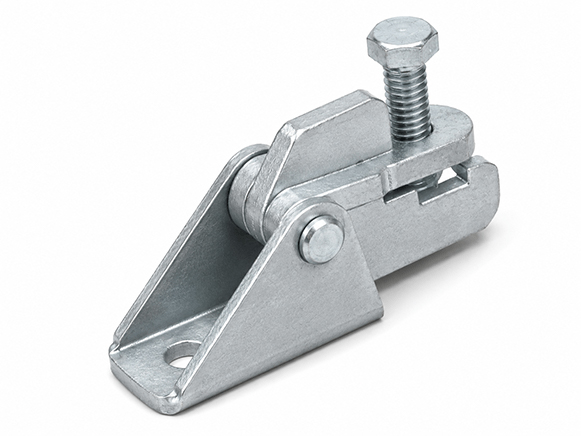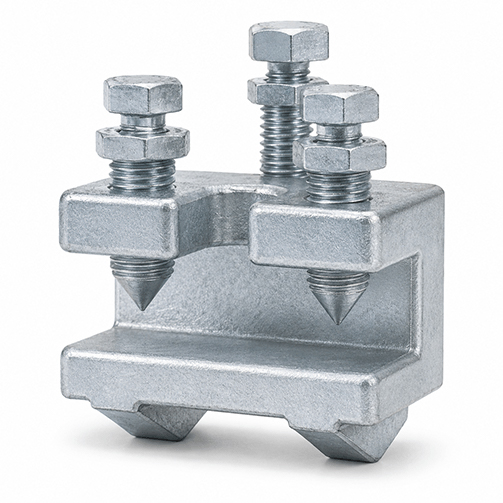

A seismic sway brace is only as dependable as the connections that transfer force from the sprinkler pipe to the building structure. For projects that use structural steel, the beam-side connection deserves particular attention because the adapter must fit the planned brace layout, the available connection point, and the rest of the bracing assembly. Contractors and distributors therefore need to evaluate more than the product name or bolt size. Material, finish, brace compatibility, structural geometry, installation access, and project requirements all affect whether a beam adapter is suitable. This guide explains what to check when selecting a beam adapter for seismic sway bracing on steel beams and how to reduce ordering and installation problems before work begins.
What Role Does a Beam Adapter Play in a Seismic Sway Brace Assembly?
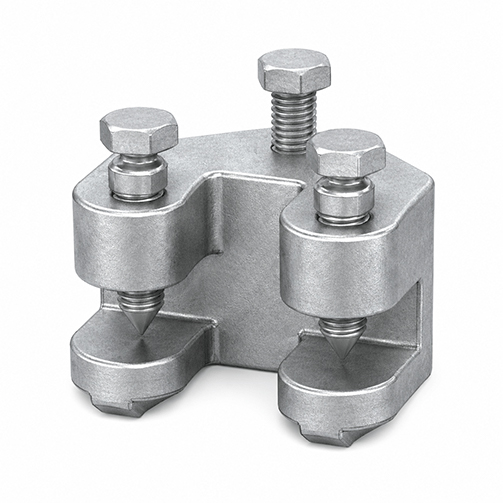
A beam adapter belongs to the structural side of a sway brace system. Its job is not to grip the sprinkler pipe itself, but to help create the connection between the brace assembly and the supporting structure. The complete system typically includes a pipe attachment, a bracing pipe element, and a structural-side fitting. These parts must work together so movement from the piping can be transferred into the building structure according to the approved design.
How Does RL11 Fit Into the Complete System?
The Beam Adapter RL11 is listed for seismic sway bracing applications and is intended to be used as part of a complete assembly installed in accordance with NFPA 13 and the manufacturer’s instructions. Its product information lists compatibility with sprinkler pipe systems using Sch 10, Sch 40, GB/T 3091, and JIS G3454 specifications, with one size intended for braced pipe up to 8 inches. For contractors, the important point is that the adapter should be selected as part of the full bracing arrangement rather than as an isolated piece of hardware.
Which Steel Beam Conditions Should Contractors Check First?
The same beam adapter may not suit every structural condition. Before selecting hardware, the contractor should review the approved structural and fire protection drawings and identify where the brace will terminate. The steel member type, available flange or web area, brace direction, nearby services, and access for tightening all influence the practical connection.
Why Do Beam Geometry and Installation Space Matter?
A connection that looks simple on a drawing can become difficult on site if the steel member is crowded by ducts, cable trays, ceiling systems, or other pipework. The brace angle also changes the way the connection is positioned. Contractors should therefore confirm that the adapter and required fasteners can be installed without forcing the brace out of its designed line. Where the project uses another type of structural-side connection, a dedicated structural attachment may be more appropriate. The approved design should determine which component is used.
Which RL11 Specifications Matter Most Before Ordering?
Several RL11 specifications should be checked together. Focusing on only one dimension can lead to mismatched hardware or additional field work. The product page lists QT450 ductile iron, an electro-galvanized finish, and a 1/2-inch bolt hole for the structural connection. These details affect how the adapter integrates with the rest of the system.
How Do Material, Finish, and Connection Size Affect Selection?
QT450 ductile iron provides a strong cast component for bracing applications, while the electro-galvanized finish offers surface protection suitable for many indoor installation environments. The 1/2-inch bolt-hole detail is equally important because the structural connection and related fastener arrangement must match the project design. If the installation environment has unusual moisture, chemical exposure, or corrosion requirements, the finish should be reviewed against the project specification instead of assumed to be suitable for every location.
How Should the Beam Adapter Be Matched With the Pipe-Side Bracing Components?
A beam adapter cannot be selected correctly without checking the pipe side of the sway brace. Pipe diameter, pipe standard, clamp model, brace element, brace angle, and the structural-side fitting all form one system. This is especially important on projects where several pipe sizes are installed in the same building.
Why Is System Compatibility More Important Than a Single Product Rating?
A contractor may see that RL11 is listed for braced pipe up to 8 inches and assume the selection is complete. In practice, the pipe attachment still has to match the actual pipe size and standard, while the brace element and structural connection must fit the approved layout. Aquabarrier’s seismic bracket components include pipe-side clamps, structural attachments, beam adapters, and related support products. Reviewing these components as a coordinated group can make procurement clearer and reduce the chance of mixing incompatible parts.
For additional pipe-side selection guidance, contractors can also review the article on how to choose a seismic bracing clamp for 1–8 inch sprinkler pipes. It explains why pipe size, schedule, standard, material, and installation method need to be checked before ordering.
What Should Contractors Verify Before Bulk Ordering Beam Adapters?
Bulk ordering should begin only after the project team has confirmed the actual bracing locations and component schedule. Small specification errors can multiply quickly when the same hardware is ordered for dozens or hundreds of brace points.
Which Project Details Should Be Confirmed Before Purchase?
Contractors should compare the beam adapter with the approved drawings, structural member details, brace direction, connection hardware, pipe attachment, bracing pipe, and required installation instructions. It is also useful to check whether the same model will be used across the project or whether different structural conditions require different fittings. For distributors, separating orders by project zone or brace configuration can make receiving and site distribution easier.
A short pre-installation review can also prevent avoidable delays. Confirming tool access, fastening sequence, brace orientation, and the relationship between the beam adapter and nearby building services is often more efficient than correcting a mismatched connection after materials arrive on site.
How Can Contractors Reduce Installation Problems on Steel-Beam Projects?
Installation efficiency depends on preparation as much as hardware selection. A component that is technically suitable can still slow the project if access is poor or if installers do not know the intended brace layout.
Why Are Trial Installation and Clear Component Matching Useful?
Before repetitive installation begins, a trial assembly can help the team confirm the beam-side connection, brace angle, pipe-side attachment, and tightening access. The same trial can reveal whether drawings and actual site conditions differ. If a change is required, it should be reviewed through the project’s normal engineering and approval process rather than improvised in the field. Clear labeling of beam adapters, clamps, and related hardware also helps prevent components from being mixed between different brace configurations.
Why Choose Aquabarrier as a Beam Adapter Supplier?
Aquabarrier supplies seismic support and hanger components for fire protection and piping projects, including beam adapters, structural attachments, bracing clamps, pipe clamps, and hangers. For buyers sourcing the RL11, access to related components can make it easier to coordinate a complete sway brace package. Aquabarrier also provides product consultation and installation guidance for project applications.
Conclusion
Choosing a beam adapter for seismic sway bracing on steel beams requires more than matching a catalog number. Contractors should confirm the structural connection point, steel member geometry, brace direction, fastener arrangement, pipe-side components, installation access, and project requirements before ordering. For the RL11, the listed QT450 ductile iron construction, electro-galvanized finish, 1/2-inch structural bolt hole, and application with braced pipe up to 8 inches provide useful starting specifications. The final selection, however, should always be checked against the complete sway brace assembly and the approved project design. This approach reduces mismatched components, field modifications, and installation delays.
FAQs
Can Beam Adapter RL11 be used with different sprinkler pipe sizes?
The RL11 product information states that one size is intended for braced pipe up to 8 inches. However, the beam adapter is only one part of the assembly. The pipe-side clamp and the rest of the sway brace system still need to match the actual pipe size, pipe standard, and project design.
What should be checked on the steel beam before choosing a beam adapter?
Contractors should check the structural member type, available connection area, brace direction, installation access, required fasteners, and nearby building services. These conditions should be compared with the approved drawings and the manufacturer’s installation instructions.
Is the 1/2-inch bolt hole the only connection detail buyers need to confirm?
No. The bolt-hole size is only one specification. Buyers should also confirm the fastener arrangement, brace geometry, structural-side connection, pipe attachment, brace element, material and finish requirements, and any project-specific installation rules.