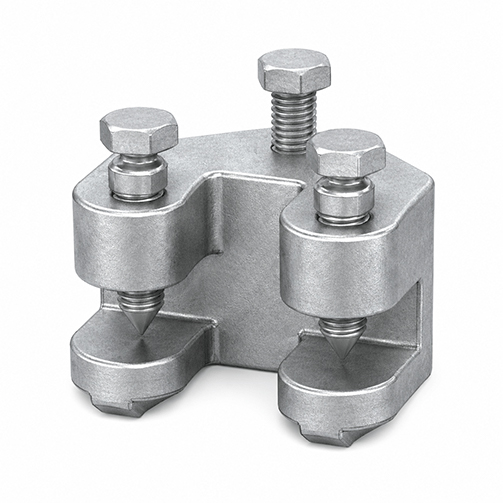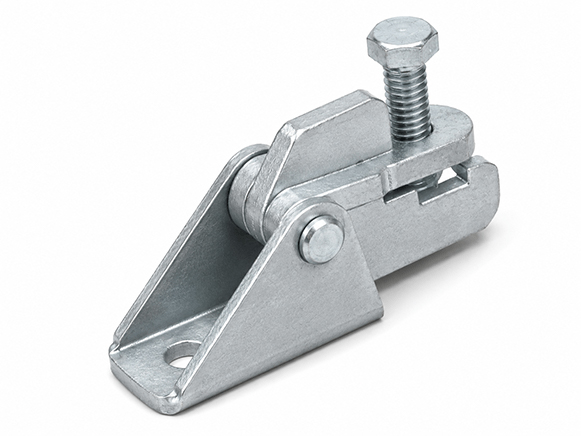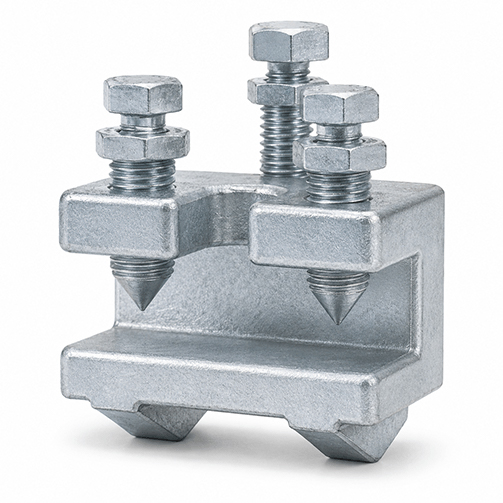

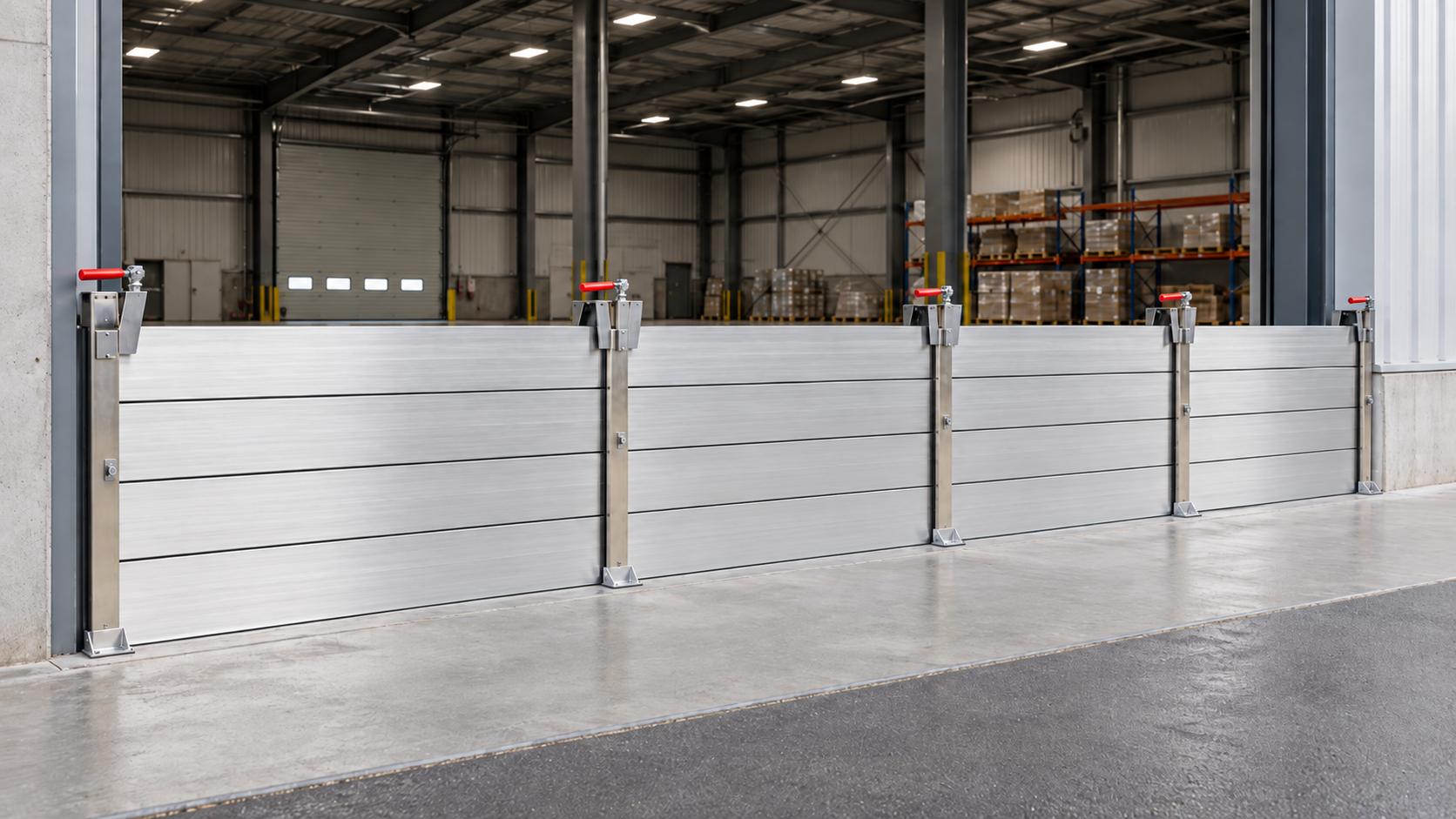
A warehouse entrance is often several times wider than an ordinary doorway. Extending a removable flood barrier across that span introduces more connection points, and each one needs attention during design, installation and reuse. A modular barrier may have sturdy panels, but water can still find a path at an incorrectly assembled joint, an uneven threshold or a poorly sealed end connection. Warehouse managers and project buyers therefore need to inspect the whole barrier line rather than judging panels in isolation. This guide focuses on joint sealing in modular flood barriers, using the expandable F303 configuration as an example of the questions to settle before ordering.
Why Do Module Joints Matter for Wide Warehouse Flood Barriers?
A wide entrance may require several barrier sections to work as one continuous defense line. That creates transitions between sections, as well as the usual side and floor interfaces. The number and arrangement of these transitions should be defined before a buyer agrees to the final layout.
Where Can Water Find a Route Through an Extended Barrier?
Typical inspection points include the panel-to-panel line, any connection between adjacent modules, the bottom edge and the barrier’s junction with a wall or end post. These are different locations: a dry-looking panel face tells little about the sealing quality beneath it. Water pressure, floor unevenness and small assembly errors can affect how well the interfaces perform. A project drawing should identify the intended sealing route along the entire opening, including places where modules meet.
The Flood Barrier-F303 is presented by Aquabarrier as an expandable design in which one end attaches to a wall and additional F303 units extend the protected width. The public product description does not specify every joint profile or compression detail, so buyers should request the latest connection drawing and seal arrangement for their proposed span.
What Joint and Seal Details Should Buyers Request Before Ordering?
Ask the supplier to show how adjacent modules connect in the proposed installation, not only how a single section looks in a product photograph. The aim is to make every interface visible on the submittal package.
How Can Buyers Check Seal Continuity Without Guessing the Design?
Request a section drawing through the module junction, the floor contact and the wall termination. The drawing should identify the actual seal material, how it is positioned, how it is retained and whether any separate connectors or compression hardware are required. Confirm which seals are replaceable and what spare parts are supplied. Aquabarrier identifies aluminum alloy, stainless steel and rubber in its flood-barrier product range, but a material list alone does not establish the leakage performance of a complete installation.
Where the barrier crosses a long opening, ask how the supplier manages changes in alignment between modules. The written installation sequence should clarify how the assembly achieves the intended fit without forcing panels or leaving an untreated gap.
How Do the Warehouse Floor and Side Walls Affect Joint Sealing?
A modular barrier cannot compensate automatically for a damaged slab or weak fixing surface. Floor and wall conditions need the same attention as the joints between barrier units, especially at loading bays where vehicle traffic wears down thresholds.
Which Site Measurements Matter Before the Barrier Is Made?
Survey the clear opening width, desired protection height, floor levels across the entire span, threshold cracks and any local drainage channels. Photograph the side walls and note the space available for posts, fixing hardware and door movement. A small change in floor elevation can alter the contact of the bottom seal from one module to the next; simply adding more panel length will not solve it. The warehouse team should also report ramps and low points that may direct water toward one end of the barrier.
Aquabarrier’s flood barrier installation guide discusses assessing wall condition, opening dimensions and door direction before choosing an installation plan. For a warehouse-scale system, those measurements should be expanded into a continuous elevation survey rather than taken at a single point.
What Should a Trial Assembly Prove Before the Flood Season?
Warehouse entrances must remain usable during normal operations, so removable components may spend most of the year in storage. Trial deployment gives the facilities team a chance to check both the physical fit and the time needed to close the opening.
How Can the Team Inspect Every Connection in a Full-Width Setup?
Assemble the complete barrier in its designated opening using the approved sequence. Check that each joint is fully engaged, the visible seals are correctly seated and the bottom edge remains in contact with the prepared surface. Inspect transitions at module boundaries and at the wall ends, then note missing hardware or any gap that needs engineering review. Do not improvise sealant or insert packing material unless the manufacturer has specified that treatment for the assembly.
If water testing is required by the project, agree the method, test depth, acceptance criteria and drainage arrangements with the supplier and responsible engineer beforehand. A visual inspection is valuable but cannot, on its own, prove a stated leakage rating.
How Can Buyers Plan Maintenance for an Expandable Barrier Line?
A wide modular system is only useful in an emergency if the parts can be found, fitted and checked quickly. Maintenance planning should therefore cover connections and inventory as well as the main aluminum panels.
What Should Be Included in the Warehouse Readiness Plan?
Label each module and its position on the installation drawing. Store seals and connection hardware where they can be checked for damage and completeness; protect surfaces from dirt that could interrupt sealing contact. During periodic inspections, examine rubber for cuts or permanent deformation and look for bent edges, damaged retainers and loose mounting hardware. Replace parts according to the product instructions, then repeat the trial assembly after changes to the floor, walls or panel inventory.
Where two opening widths are being considered, the Flood Barrier-S670 provides a useful fixed-width reference alongside the expandable F303. Buyers can also review the broader flood barrier product range, while keeping joint sealing and the actual warehouse geometry as the main selection criteria.
Why Choose Aquabarrier for a Modular Flood Barrier Project?
Aquabarrier supplies removable flood barriers for properties including warehouses and commercial entrances. The company presents F303 as a modular option that can be extended with additional units and describes aluminum alloy, stainless steel and rubber among its barrier materials. Its installation guidance services can help buyers discuss opening measurements and deployment planning. For a particular warehouse, request the complete module-joint drawings, required site preparations and any project-specific leakage-test evidence before approving the design.
Conclusion
Joint sealing deserves its own review when a removable flood barrier extends across a wide warehouse entrance. Buyers should request details for every module connection, check the floor and wall interfaces, and carry out a full-width trial assembly before relying on the system. The expandable F303 concept provides a way to increase protection width, but the performance of a finished barrier line depends on the approved configuration, installation quality and continuing inspection of the seals and connections.
FAQs
Does adding more F303 units automatically maintain the same sealing performance?
Not automatically. Every added section introduces a connection that must be fitted and inspected under the manufacturer’s instructions. Ask for performance information covering the complete proposed configuration.
Is a flat warehouse floor important for modular flood barriers?
Yes. An uneven or damaged threshold may prevent consistent bottom-seal contact. Record levels across the entire protected width and review local channels, cracks and ramps before ordering.