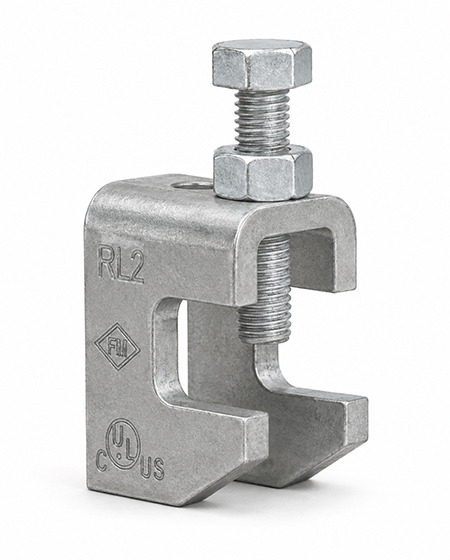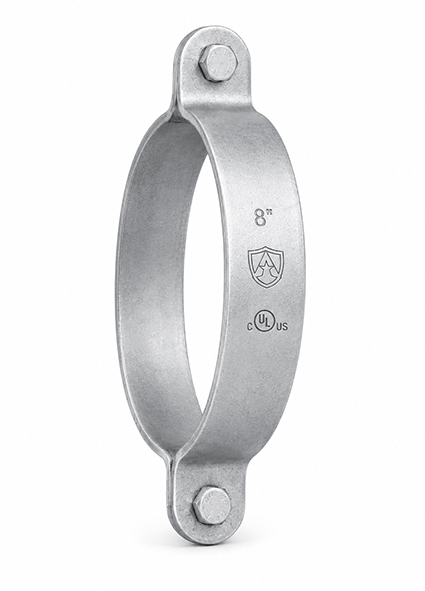

Seismic protection in fire sprinkler systems depends on more than selecting the correct pipe clamp. A complete sway brace assembly must transfer movement from the sprinkler piping through the brace member and into the building structure. The structural attachment is therefore a critical connection point. If it is poorly matched to the structure, brace configuration, or installation conditions, the overall seismic bracing system may not perform as intended.
For contractors, distributors, MEP engineers, and fire protection buyers, selecting a structural attachment requires careful attention to its function, material, connection method, compatibility, and installation requirements. This guide explains the major factors to evaluate when selecting a structural attachment for seismic sway bracing in fire sprinkler systems.
What Does a Structural Attachment Do in a Seismic Sway Brace System?
A structural attachment creates the connection between the sway brace assembly and the supporting building structure. During seismic movement, the bracing system is intended to limit excessive lateral or longitudinal movement of sprinkler piping.
How Does It Work With Other Bracing Components?
A typical seismic sway brace assembly involves several components working together rather than a single clamp. The pipe-side attachment connects to the sprinkler piping, the brace member transfers the load, and the structural attachment provides the connection at the building structure.
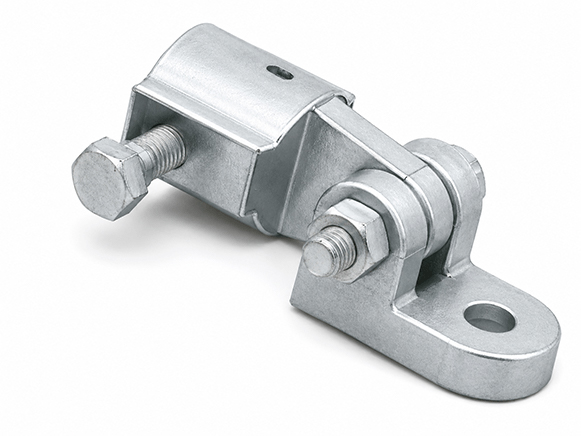
The Structural Attachment RL09 is designed as part of a sway brace system intended to protect piping against sway and seismic movement. The complete assembly should be installed according to applicable project requirements, relevant standards, and the manufacturer’s installation instructions.
This means buyers should avoid selecting structural attachments as isolated hardware. They should instead evaluate how the attachment integrates with the brace pipe, pipe attachment, fasteners, and supporting structure.
Which Structural Conditions Should Be Checked Before Selection?
Structural attachment selection should begin with the installation location. Different projects may connect seismic braces to structural steel, concrete, beams, or other approved supporting members.
Why Does the Attachment Point Matter?
The load transferred through a seismic brace ultimately reaches the building structure. As a result, the attachment location must provide a suitable connection for the brace configuration.
Before ordering, contractors should check the structural material, available mounting space, brace direction, required angle, bolt configuration, and any restrictions shown in the project drawings. The installer should also confirm whether additional adapters or connection hardware are required.
A component that appears mechanically suitable may still be inappropriate if the structural connection does not match the engineering design. For large projects, checking these details before procurement can reduce field modifications and installation delays.
Which Product Specifications Matter Most for Structural Attachments?
Buyers often focus on dimensions first, but several specifications should be evaluated together when comparing seismic structural attachments.
How Do Material and Finish Affect Selection?
Material affects strength, durability, and long-term performance. The Structural Attachment RL09 is manufactured from QT450 ductile iron and uses an electro-galvanized finish. Its product information also lists a 1/2-inch structural bolt hole and application in seismic sway bracing systems.
Ductile iron is suitable for structural components where mechanical strength and durability are important. An electro-galvanized surface can also provide protection for the component under suitable service conditions.
However, buyers should not select a structural attachment based only on material. The connection geometry, fastener size, brace configuration, installation environment, and project requirements must also be evaluated.
How Should Pipe Size and Brace Configuration Be Considered?
Although the structural attachment connects at the building side of the assembly, the overall sway brace still needs to be selected as a complete system.
Why Is System Compatibility More Important Than One Dimension?
The RL09 product information includes application with sprinkler piping and seismic bracing configurations for different pipe requirements.
For procurement teams, this highlights an important principle: pipe size, pipe standard, brace member, pipe attachment, and structural attachment should be checked together.
For example, a contractor ordering components for several sprinkler pipe diameters should first confirm which sway brace assemblies will be used for each section of the project. This makes it easier to create a consistent bill of materials and reduces the risk of mixing incompatible components during installation.
What Should Contractors Check for NFPA 13 Projects?
NFPA 13 is frequently referenced when seismic bracing is designed for fire sprinkler piping, but purchasing an individual component does not replace project-specific engineering requirements.
How Should Specifications Be Verified Before Ordering?
For projects designed according to NFPA 13 requirements, contractors should compare product information with approved drawings, structural conditions, project specifications, and the required installation method before placing a bulk order.
The most practical procurement approach is to verify the complete bracing configuration before shipment. This includes the structural attachment, pipe attachment, brace member, connection hardware, installation location, and relevant pipe sizes.
Doing so can help prevent situations where individual components reach the jobsite but cannot be assembled according to the planned seismic support layout.
How Can Installation Efficiency Influence Product Selection?
Installation efficiency is especially important in commercial buildings, warehouses, industrial facilities, and other projects containing many sprinkler pipe runs.
What Can Reduce Installation Problems on Site?
A structural attachment should provide a clear and repeatable connection method. Installers benefit from components with consistent dimensions, identifiable connection points, and compatibility with the specified bracing hardware.
Before mass installation begins, contractors can review the manufacturer’s instructions and perform a trial installation where appropriate. This allows the installation team to verify brace positioning, connection hardware, tool access, and assembly sequence.
For distributors supplying complete seismic bracket systems, standardized component matching can also simplify inventory management. Instead of treating every attachment as an independent item, suppliers can organize compatible structural attachments, bracing clamps, beam adapters, and hanger components as a coordinated system.
How Should B2B Buyers Evaluate Structural Attachment Suppliers?
For contractors and distributors, supplier evaluation should go beyond unit price. Seismic support projects often require multiple related products, consistent specifications, technical communication, and reliable delivery.
Which Supplier Capabilities Are Valuable for Projects?
Buyers should consider whether the supplier can provide a broader seismic support and hanger range, clarify product specifications, support component matching, and offer installation guidance.
Aquabarrier supplies seismic support and hanger components including structural attachments, bracing clamps, pipe clamps, beam adapters, swivel hangers, clevis hangers, and beam clamps. A wider product range can help project buyers coordinate different components within the same seismic support system.
This can be particularly useful for distributors, fire protection contractors, and MEP project buyers who need to source several related components while maintaining consistent specifications.
Why Choose Aquabarrier as a Structural Attachment Supplier?
Aquabarrier provides seismic support and hanger components for fire protection and piping applications. Its Structural Attachment RL09 uses QT450 ductile iron with an electro-galvanized finish and is designed for use as part of a seismic sway brace assembly.
In addition to structural attachments, Aquabarrier offers related seismic bracing and pipe support components, allowing B2B customers to source multiple compatible products for project procurement. Technical communication and product matching can also help contractors and distributors reduce unnecessary compatibility issues before installation.
Conclusion
Selecting a structural attachment for seismic sway bracing requires more than checking a bolt size or material specification. Contractors should evaluate the building connection, brace configuration, sprinkler pipe requirements, related seismic components, installation method, and project standards as one complete system.
For fire sprinkler projects, a properly matched structural attachment helps create a clear load path between the piping, brace member, and building structure. Careful specification review before purchasing can also reduce compatibility problems, installation delays, and unnecessary field adjustments.
When evaluating products such as the Structural Attachment RL09, buyers should therefore focus on system compatibility, project requirements, installation conditions, and supplier support rather than choosing solely by price.
FAQs
What is a structural attachment in a seismic sway brace system?
A structural attachment connects the sway brace assembly to the supporting building structure. It works together with the pipe attachment and brace member to form the overall seismic bracing assembly.
Can one structural attachment be used for different sprinkler pipe sizes?
Compatibility depends on the complete sway brace configuration and manufacturer specifications. Buyers should verify the structural attachment, pipe attachment, brace member, and required pipe sizes together before ordering.
What should buyers confirm before ordering Structural Attachment RL09?
Buyers should confirm the structural connection, brace configuration, bolt requirements, sprinkler pipe size and standard, related bracing components, installation instructions, and project specifications before finalizing the order.